
Have you ever turned the key in a car, only to hear a sad click… and nothing more? The engine is all there—cylinders, belts, plugs, fuel, but without ignition, the potential remains frozen. It’s not broken. It’s stalled. And no amount of revving the wheel or changing the oil will get you moving until the real issue is addressed. This is the condition of many churches today, not dead, not heretical, not lacking talent or resources, but stalled when it comes to discipleship. At Fairlane, we aren’t without gifts. We have godly leadership, deep teaching, and faithful people. But still, we must ask: Why aren’t we producing disciples who make disciples?
In this post, the third in our six-part series, we’ll explore why discipleship often fails, what barriers exist right here at Fairlane, and how we can break the cycle—by building an intentional, relational pathway to growth.
Why Discipleship Fails
1. Lack of Vision
Proverbs 29:18 says: “Where there is no vision, the people perish.” The same holds true for the church. Without a clear picture of what discipleship looks like, we default to programs, activities, and events that don’t lead to transformation. Churches sometimes assume that if people attend, give, or serve occasionally, that’s enough. But attendance isn’t the same as growth. When people don’t know the destination, they won’t start the journey. We need a bold, Spirit-driven vision of what a disciple looks like in real life, a learner, follower, and reproducer, so that we can lead others there intentionally.
2. No Clear Path
In 2 Timothy 2:2, Paul writes: “What you have heard from me in the presence of many witnesses entrust to faithful men, who will be able to teach others also.” This is not just poetic, it’s a process. Discipleship flows from person to person, from generation to generation, with clarity and purpose. Yet many churches don’t have a path. They’re in a fog. One of the most common mistakes churches make is treating baptism as the end goal of ministry, rather than the beginning of a transformed life. Robby Gallaty puts it plainly when he says, “Baptism is not the finish line of a relationship with Christ. It’s the starting line of a lifelong journey toward God,” it reminds us that every baptism should be followed by intentional investment and a clear discipleship path.
We may preach great sermons and host wonderful Bible studies, but without a clear “next step,” people get lost in the crowd. They want to grow, but don’t know how. This is why the church becomes a place where spiritual infants remain infants, even after years of involvement. At Fairlane, we’ve seen this happen, not because of bad intentions, but because we’ve lacked an intentional framework. We’ve had programs, but not a path.
3. No Relational Culture
Discipleship is not just about knowledge, it’s about relationships. Jesus didn’t disciple with fill-in-the-blank handouts. He did it over meals, walks, miracles, tears, corrections, and laughter. He modeled truth in relationships. In churches where people are friendly but not deeply connected, discipleship struggles. We create polite Sunday smiles, but not vulnerable weekday friendships.
People cannot grow if they don’t feel safe enough to be honest about their struggles, and no one can be challenged if no one knows them well enough to speak into their lives. Fairlane has warmth, but we need depth. We need a culture where mentoring, accountability, and soul-level friendships aren’t programs, they’re normal.
Barriers at Fairlane
Let’s speak honestly: if we’re going to break the cycle, we must name our specific challenges. Here are a few barriers that currently hinder discipleship in Fairlane:
- No clearly defined discipleship pathway
- Discipleship and small groups are often treated as separate ideas
- Leadership development is inconsistent and informal
- Many feel unequipped to disciple others—even after years in church
- Digital outreach isn’t leveraged to support spiritual growth
None of this is said to be shameful, only to shine a light. Because once we name the barriers, we can start tearing them down.
A Way Forward: The Discipleship Pathway
What if discipleship at Fairlane didn’t feel confusing or intimidating, but clear and inviting? What if there was a pathway where every person, new believer, lifelong member, or online visitor, could see exactly where they are and what comes next? That’s what we need: a discipleship pathway. A good pathway:
- Starts with belonging and moves toward multiplying
- It is simple enough to remember, deep enough to grow with
- Involves relationships, learning, and serving
- Supports both in-person and online discipleship
- Can be led by anyone, not just staff
If we don’t define what we’re building, we’ll waste energy building what doesn’t last. Without a pathway, growth is random, and retention is rare. Robby Gallaty highlights this painful truth by observing, “Churches have been celebrating baptisms but have been ineffective at retaining new converts or new guests. Attendees and members are streaming out the back doors as fast as they come into the front doors, and often even quicker.” A pathway brings alignment, focus, and unity. Fairlane doesn’t need more busyness, we need more intentionality.
Illustration: Discipleship Is Like Farming
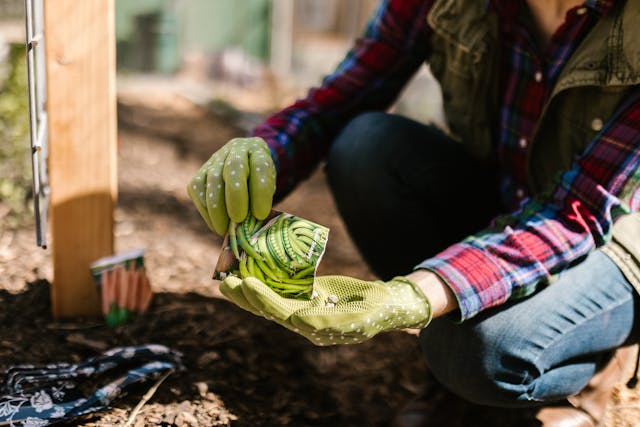
Think of discipleship like farming. You can pray for a harvest. You can walk through the fields and dream of the fruit. But unless someone prepares the soil, plants the seed, and nurtures the crop, nothing will grow. Jesus often used farming imagery to describe spiritual growth (see Matthew 13). Why? Because the process is long, patient, and deliberate. You can’t microwave fruit. You must cultivate it. There is no harvest without intentional sowing. At Fairlane, we’ve long hoped for growth. But hope alone can’t produce harvest. We must till the soil, cast the seed, and water the field, together.
Conclusion: We Must Build the Pathway
The good news is we don’t need to invent discipleship. Jesus already gave us the blueprint. What we need is a clear way to follow it, together. Fairlane must intentionally build a discipleship pathway that:
- Defines the target
- Clarifies the next step
- Prioritizes relational depth
- Aligns ministries and groups
- Is reproducible and Spirit-led
This isn’t a trend. It’s obedience.
It’s time to move from stalled potential to Spirit-powered movement.
Coming Next: A Blueprint for Making Disciples Today
In the next post, we’ll take what we’ve explored and begin to sketch the actual framework—a blueprint Fairlane can follow to make disciples who make disciples.
We’ll move from vision to structure, from idea to implementation.